Apprenticeships

Supporting your future

Apply
Criminology
Vocational, Level 3

Entry Requirements

Grades 9-5 in English and four or more GCSEs at grades 9-4 or A*- C

Assessment

• 50% controlled assessment, 50% exam

Course Duration

• Year 1 - Applied Certificate in Criminology; Year 2 - Applied Diploma in Criminology

Exam Board

• WJEC

Explore the World of Crime and Justice

Are you curious about what drives criminal behaviour? Interested in understanding how societies respond to crime and how justice is served? Studying criminology at Itchen Sixth Form College provides you with the opportunity to delve into these questions and more, equipping you with valuable knowledge and skills for the future.

Why Choose Criminology?

Criminology is a fascinating and dynamic subject that helps you explore the complexities of crime, law, and justice. By choosing this course, you will:

  • Develop a deeper understanding of the causes of crime and how society seeks to control it.
  • Gain insights into real-world issues such as crime prevention, the effectiveness of the legal system, and rehabilitation of offenders.
  • Prepare yourself for careers or further studies in a range of disciplines, from law enforcement to social work.
What Will You Explore?
  • This course covers a wide range of topics designed to give you a comprehensive understanding of criminology, including:
    • Changing Awareness of Crime: Learn about how crime is defined, perceived, and reported in society.
    • Criminological Theories: Understand the psychological, sociological, and biological factors behind criminal behaviour.
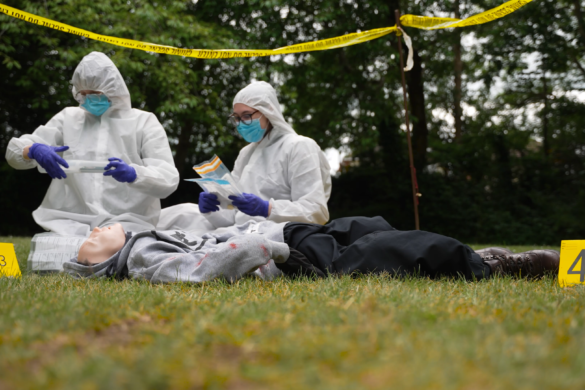
    • Crime Scene to Courtroom: Explore the processes involved in investigating crimes and delivering justice, from forensic evidence to trials.
    • Crime and Punishment: Examine the effectiveness of different forms of punishment and approaches to criminal rehabilitation.

In the first year of the course you will study:

Changing Awareness of Crime:

  • You will learn about different types of crime that occur in society. You will be looking at underreported crimes such as underage drinking and elder abuse. You will explore the various reasons why they go unreported to the police.
  • You will look at media portrayal of crime. From the role of the tabloid press to the portrayal of fictional film characters. You will learn about the effect this might have on our perception of crime against the reality of criminal behaviour.

Introduction to Criminological Theories:

  • How do we decide what behaviour is criminal? What is the difference between criminal behaviour and deviance? How do we explain why people commit crime?  What makes someone a serial killer, or abusive to their own families?
  • Criminologists have produced theoretical explanations of why people commit crime, but which is the most useful? How can these theories be applied to real life scenarios and real-life crimes?

In the second year of study, you will study two further units.

Crime Scene to Courtroom

  • You will learn about the personnel involved when a crime has been detected and the various investigative techniques used to identify the culprit.
  • You will then find out what happens to the culprit once they have been charged by the police and the criminal trial process that follows through to the verdict.

Crime and Punishment

  • Why do most of us tend to obey the law?  What social institutions have we developed to ensure that people do obey laws?  What happens to those who violate our legal system?  Why do we punish people? How do we punish people?


Click here for Exam Board specification for Criminology Level 3

Skills You Will Develop

By studying criminology, you’ll develop:

  • Analytical skills to evaluate information, evidence, and arguments.
  • Problem-solving abilities to approach complex scenarios methodically.
  • Research skills to gather, interpret, and present data effectively.
  • Critical thinking skills to assess different perspectives on crime and justice.

Transferable Skills and Real-World Impact

The knowledge and abilities gained through this course go beyond criminology itself, preparing you for success in various fields. You’ll strengthen skills in:

  • Effective communication, both written and verbal.
  • Teamwork through collaborative projects and case studies.
  • Ethical reasoning and decision-making.
  • Time management and organisation, essential for academic and professional success.

Understanding criminology gives you the tools to make a positive impact, whether it’s by helping to reduce crime, supporting victims, or improving the justice system.

Where Can Criminology Lead?

Further Education

Studying criminology opens doors to higher education opportunities, such as:

  • Criminology or Law degrees.
  • Psychology, Sociology, or Forensic Science programs.
  • Specialised courses in criminal justice or public policy.

Career Opportunities

A background in criminology can lead to rewarding careers in areas such as:

  • Law enforcement (e.g., police officer, detective).
  • Criminal justice (e.g., probation officer, court administrator).
  • Forensic investigation.
  • Social services (e.g., youth worker, victim support specialist).
  • Legal professions (e.g., solicitor, paralegal).

With the growing demand for professionals who understand the complexities of crime and justice, criminology equips you with the knowledge and skills to thrive in a variety of roles.

Start Your Journey Today

Join us at Itchen Sixth Form College to unlock your potential and embark on an exciting journey into the world of criminology. Discover how you can make a difference in society and build a foundation for a fulfilling career.


Where next?

Apply Now
Useful Information

For more information contact:

Maria Sparks

Position: Director of Curriculum for Business, English, Law and Criminology

Apply for 26/27 now!

Let's Go