Apprenticeships

Supporting your future

Apply
Physical Education A Level
A Level

Entry Requirements

Grades 9-4 in English, Maths, Science and two or more GCSEs at grades 9-4 or A*- C.

Assessment

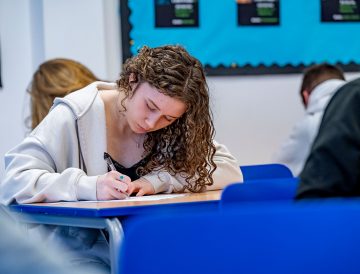
• 70% exam, 30% practical

Course Duration

• Two years

Exam Board

• OCR

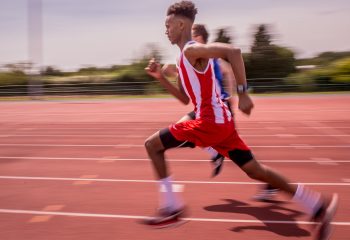
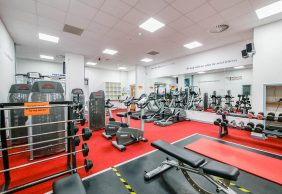
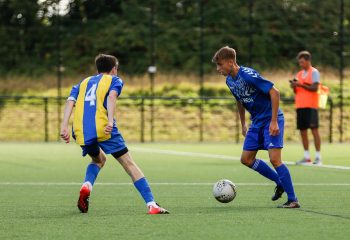
Choosing A-Level Physical Education (PE) offers you the chance to combine your passion for sport and fitness with academic learning. It is a dynamic subject that integrates both practical and theoretical knowledge, providing you with a comprehensive understanding of the human body, sports science, and physical performance. Whether you are a competitive athlete, a fitness enthusiast, or someone interested in health and wellbeing, A-Level PE can be a perfect fit for you. This subject also offers a clear pathway to various career and further education opportunities in fields related to sports, healthcare, and education. A Level Psychology, Sociology, Biology, Media, Business all combine well with this course. Other qualifications that can be gained whilst studying Sport and PE are Community Sports Leader Award (CSLA), Higher Sports Leader Award (HSLA), Fitness Instructors Level 1 and Level 2.

What You Will Explore?

A-Level PE covers a broad range of topics across different aspects of physical education, sport, and health. Here’s a breakdown of what you’ll explore:

  • Applied Anatomy & Physiology: Delve into the workings of the cardiovascular, respiratory, muscular, and skeletal systems. Understand how exercise impacts the body and improves performance.
  • Sports Psychology: Investigate how mental processes influence sports performance, including motivation, anxiety, leadership, and team dynamics.
  • Skill Acquisition: Understand how athletes learn and develop skills, and how coaching can impact this process.
  • Sport and Society: Explore the role of sport in society, including its history, development, and the influence of media, politics, and globalisation.
  • Performance Analysis: Analyse performance through various techniques, including the use of technology in improving athletes’ skills.
  • Exercise Physiology & Biomechanics: Learn how the body responds to different types of training, recovery, and injury, while exploring the principles behind movement and mechanics to enhance sports performance and prevent injury.
  • Contemporary Issues in Physical Activity and Sport: Examine current challenges facing sport and physical activity, such as doping, gender inequality, racism, technology, and commercialisation, and their impacts on athletes and society.
  • Exercise Physiology & Biomechanics: Learn how the body reacts to training and the principles behind movement and mechanics in sports.

Click here for link to Exam Board specification for Sport & PE A Level


Skills You Will Develop

Throughout the A-Level PE course, you will build a wide range of skills, many of which are highly transferable to other disciplines and real-life situations:

  • Critical Thinking and Analysis: Evaluate information, analyse data, and draw conclusions about performance and physiological aspects of the body.
  • Leadership and Communication: Develop effective communication and leadership skills, especially through teamwork, coaching, and collaboration.
  • Research and Problem-Solving: Conduct research into sports science, current trends in health, or societal issues in sports, and solve complex problems.
  • Physical Competence: Improve your own physical abilities through performance and practical assessment in chosen sports or activities.
  • Data Interpretation: Use statistical and performance analysis tools to interpret data about fitness, biomechanics, or performance outcomes.


Where Can A-Level PE Lead?

A-Level PE opens up multiple avenues for further education, careers, and skill development.

Further Education

Many students who take A-Level PE go on to pursue higher education in areas such as:

  • Sports Science: Delve deeper into the science of human movement, exercise, and health.
  • Physiotherapy: Learn how to help injured athletes or individuals recover through physical therapy.
  • Sports Psychology: Specialise in the psychological factors influencing athletic performance.
  • Teaching & Education: Become a physical education teacher or educator.
  • Sports Coaching & Development: Study the art and science behind coaching athletes to reach their potential.

Career Opportunities

A-Level PE equips you with skills that are highly valued across a variety of sectors. Career paths can include:

  • Sports Coaching and Management: Lead and manage sports teams, facilities, or events.
  • Fitness Instructor/Personal Trainer: Help individuals achieve their health and fitness goals.
  • Physiotherapist/Occupational Therapist: Work with clients to rehabilitate injuries and improve physical function.
  • Sports Nutritionist: Provide dietary guidance to athletes and individuals aiming for peak performance.
  • Exercise Physiologist: Monitor and improve the physical performance of athletes.
  • Sports Journalism or Media: Report on sports events, athletes, and sporting trends.
  • Sports Analyst or Performance Consultant: Use data analysis to enhance team and individual performance.

Transferable Skills & Real-World Impact

A-Level PE helps develop a wide range of transferable skills, including leadership, teamwork, communication, and resilience, all of which are valuable in many careers and real-life contexts. Whether you’re managing people in the workplace, solving complex problems, or working in a fast-paced environment, the skills learned in PE can help.

PE also helps you understand the importance of physical activity and well-being, leading to real-world impacts such as:

  • Promoting a Healthy Lifestyle: You will learn about the value of exercise and nutrition in everyday life, which can have a lasting impact on your health and those around you.
  • Building Teamwork and Social Skills: Sports bring people together, and you will develop strong collaborative skills that are useful in any field.
  • Mental Resilience and Well-Being: Learn how physical fitness and psychological strategies can improve your mental well-being, reducing stress and promoting mental health.
  • Societal Contribution: By studying the role of sport in society, you can contribute to improving community health, encouraging diversity and inclusion in sports, and influencing sports policy at different levels.

Choosing A-Level Physical Education provides a balanced mix of practical experience and academic rigour, preparing you for a range of exciting opportunities in higher education, sports, and beyond. Whether you’re passionate about performance, health, or society, A-Level PE opens doors to making a real impact in the world.

Where next?

Apply Now
Useful Information

For more information contact:

James Bedwell

Position: Curriculum Manager for Sport

Emailjbedwell@itchen.ac.uk
Apply for 26/27 now!

Let's Go