Apprenticeships

Supporting your future

Apply
Photography
A Level

Entry Requirements

Grade 4 or above in English and Maths and a further five or more GCSEs at grade 4 (or above) or equivalent, preferably including an Art based subject (e.g. Fine Art, Textiles, Photography, Graphic Design etc.) At grade 9-4 or A*- C. Alternatively a portfolio of your creative work.

Assessment

• 40% controlled assignment, 60% coursework

Course Duration

• Two years

Exam Board

• Eduqas


Photography is a dynamic and expressive subject that allows students to explore the world through a creative lens. By choosing A Level Photography, you embark on a journey of artistic discovery, gaining an in-depth understanding of visual storytelling, technical skills, and the power of imagery. Whether you’re passionate about documenting real-life moments or want to express yourself through conceptual art, this course offers you the opportunity to refine your vision, develop your artistic voice, and build a solid foundation for both further education and creative careers.

This course is ideal for students who have a keen interest in the arts, an eye for detail, and a desire to understand the technical and theoretical aspects of photography. You will have the freedom to explore your personal interests, while being guided to achieve high levels of creativity and skill.

What Will You Explore?

In A Level Photography, you will delve into various areas of photographic practice, including:

  • Camera Techniques: Understanding aperture, shutter speed, ISO, composition, and the use of manual camera settings.
  • Studio & Location Photography: Exploring lighting, set design, and the use of natural environments to create stunning images.
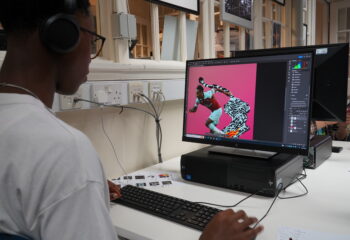
  • Post-Production: Learning how to enhance your work through editing software, including Photoshop and Lightroom, to refine and perfect your images.
  • Historical & Contemporary Contexts: Studying the work of influential photographers and movements, from early pioneers to contemporary digital artists.
  • Creative Projects: You will engage in personal projects, developing themes that interest you. These can range from portraiture and fashion photography to documentary work, landscape, or fine art.

You will also explore genres such as photojournalism, experimental photography, advertising, and multimedia installations, allowing for a well-rounded experience in both traditional and digital techniques.

Please be aware that you will need to have your own digital SLR camera and will be required to contribute towards the cost of this course (for further details of the costs involved please contact us)

Click here for link to Exam Board specification for Photography A Level

Skills You Will Develop

A Level Photography goes beyond just taking pictures. Throughout the course, you will develop a wide range of artistic, technical, and professional skills, including:

  • Technical Proficiency: Master the use of DSLR cameras, studio equipment, and editing software.
  • Creative Problem-Solving: Find innovative ways to visually communicate ideas and narratives.
  • Critical Thinking & Analysis: Critique both your own work and that of others, understanding artistic intentions and the impact of photographic techniques.
  • Research & Development: Learn to research photographers and visual cultures, applying inspiration to your own projects.
  • Portfolio Development: Create a professional and visually impactful portfolio that reflects your growth and creativity.

Transferable Skills and Real-World Impact

Photography also helps develop a wealth of transferable skills that are valued in both creative and non-creative industries:

  • Visual Communication: Enhance your ability to communicate ideas clearly and effectively through imagery.
  • Time Management: Learn to manage deadlines, especially in project-based work that requires planning and execution.
  • Attention to Detail: Improve your focus on precision, lighting, framing, and presentation, which translates well to many career paths.
  • Collaboration: You will often work in teams, especially on larger projects, developing interpersonal and collaborative skills.
  • Digital Literacy: Gain advanced skills in digital photography, editing software, and multimedia presentation tools.

Photography also has real-world applications beyond the gallery, including the ability to raise social awareness, document history, and influence cultural narratives.


Where Can A Level Photography Lead?

A Level Photography opens up a wide range of opportunities in both further education and diverse career paths:

Further Education Options:

  • Art Foundation Courses: A common next step for students wishing to explore other creative disciplines before specialising.
  • University Degrees: Pursue a BA in Photography, Fine Art, Graphic Design, Media, Film Production, or Visual Communication at prestigious institutions across the UK.
  • Specialised Photography Schools: Gain entry into schools or courses that focus on specific genres of photography such as fashion, portraiture, or documentary.
  • Creative Apprenticeships: Some students opt for apprenticeships in photography or media-related roles, learning on the job while furthering their studies.

Career Opportunities:

  • Professional Photographer: Work in portrait, commercial, or editorial photography, capturing images for clients, brands, or publications.
  • Photojournalist: Document global events and social issues, often working for news organisations or as a freelancer.
  • Fine Art Photographer: Create and exhibit photographic art in galleries or public spaces.
  • Film & TV Production: Join the world of cinematography or still photography in television and film industries.
  • Fashion Photographer: Work with designers, magazines, and advertising agencies to create cutting-edge fashion imagery.
  • Graphic Design & Advertising: Photography often integrates with branding and marketing; you could work within these dynamic industries.
  • Social Media & Content Creation: Many brands and influencers rely on high-quality imagery to engage their audiences, making photography a valuable skill in digital marketing.
  • Teaching & Education: After completing higher education, some students choose to teach photography at schools, colleges, or universities.

Photography is not only an artistic outlet but also a pathway into careers that shape the way we see the world, from journalism and marketing to entertainment and visual art. Whether your passion is creative or commercial, A Level Photography provides you with the tools to build a fulfilling career.

Discover your potential by capturing the world around you and telling stories through the lens!

View our Student's Work

Where next?

Apply Now
Useful Information

For more information contact:

Kate Matthews

Position: Director of Curriculum for Performing and Visual Arts

Apply for 26/27 now!

Let's Go