Apprenticeships

Supporting your future

Apply
Textiles (Costume)
A Level

Entry Requirements

Grade 9-4 in English and Maths and five or more GCSEs at grades 9-4 or A*- C, preferably including Art at grade 4 (or a portfolio of creative work).

Assessment

• 40% controlled assessment 60% coursework

Course Duration

• Two years

Exam Board

• Eduqas

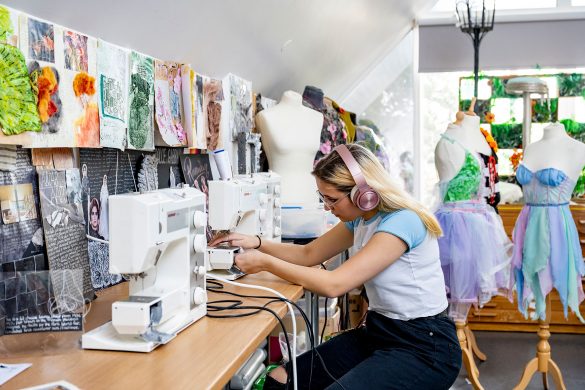
Choosing A-Level Textiles is an opportunity to merge artistic flair with practical skills. This subject is perfect for students with a passion for design, fashion, and innovation. Whether you’re interested in garment design, surface pattern, or textile art, this course allows you to explore diverse techniques and processes while expressing your unique style. You’ll work with a variety of materials and develop technical skills that can transform your ideas into creative realities.

Why Choose A-Level Textiles?

  • Freedom to Create: Develop your personal style and artistic voice through textiles, exploring a wide range of techniques from embroidery to digital printing.
  • Innovative Learning: Experiment with new materials and cutting-edge textile technologies to produce innovative and sustainable designs and learn the basics of garment construction.
  • Diverse Applications: Whether you’re inspired by high fashion, costume design, or textile art, this subject offers versatile pathways that link to many sectors.
  • Portfolio Development: Build an impressive portfolio that can help you stand out in applications for higher education or creative careers.
What Will You Explore?

An In-Depth Study of Textile Design

A-Level Textiles offers a comprehensive study of the techniques, materials, and history of textile design. The course combines practical, hands-on work with theoretical study, giving you an in-depth understanding of textiles in both contemporary and historical contexts.

You will explore:

    • Textile Techniques: From traditional hand stitching, weaving, and dyeing to advanced digital print and laser cutting, you’ll explore a range of methods.
    • Fashion & Costume Design: Learn how textiles are used in fashion and costume, developing your skills in pattern making, fabric manipulation, and garment construction.
    • Surface Pattern Design: Create intricate patterns for fabrics, using techniques like screen printing, batik, and embroidery.
    • Cultural and Historical Textiles: Study how textiles have evolved across different cultures and time periods, and how they continue to shape modern trends.
    • Sustainability in Textiles: Discover sustainable design practices, and learn about eco-friendly materials and processes in today’s textiles industry.

Click here for link to Exam Board specification for Textiles A Level 

Skills You Will Develop

Creative & Technical Mastery

A-Level Textiles helps you to develop a diverse skill set that combines creativity, technical expertise, and critical thinking. You’ll gain experience in practical, design-based work and also hone your analytical skills.

Key skills include:

  • Creative Design & Innovation: Develop imaginative ideas and bring them to life through your textile creations and garment construction.
  • Material Knowledge: Gain a deep understanding of a variety of fabrics, fibres, and materials, and how to work with them effectively.
  • Problem Solving: Learn how to tackle design challenges and technical difficulties, applying creative solutions to complex tasks.
  • Critical Evaluation: Analyse your own work and the work of others, reflecting on the process and outcomes to improve your future designs.

Transferable Skills and Real-World Impact

Textiles: A Skillset for the Future

The skills you develop in A-Level Textiles are highly transferable, preparing you for a variety of fields beyond just art and design. You’ll gain strong visual communication skills, learn how to manage projects, and develop attention to detail—all of which are highly valued in many industries.

Transferable skills include:

  • Project Management: Work independently to manage long-term projects, from concept to completion.
  • Collaboration: Engage in group work, sharing ideas and feedback to improve collective outcomes.
  • Communication: Present your work confidently and clearly, explaining your ideas and processes in a professional manner.
  • Adaptability: The ability to innovate and adapt your work to different challenges and trends and follow briefs.

Textiles also have a significant real-world impact: from sustainable fashion practices that help reduce waste to the development of technical fabrics for use in industries like healthcare, sports, and the automotive sector. Your work in textiles can have real social, environmental, and cultural influence.

Where Can A-Level Textiles Lead?

Further Education and Career Opportunities

A-Level Textiles opens doors to a wide range of exciting further education and career opportunities. The subject is recognised by universities and creative institutions across the UK, and can lead to a variety of specialised courses in design and the arts.

Further Education Pathways:

  • Textile Design Degrees: Specialise further in areas like surface pattern design, fashion textiles, or interior textiles.
  • Fashion Design & Marketing: Progress into degrees that focus on garment design, fashion marketing, and trend analysis.
  • Fine Art and Textile Art: Continue exploring your artistic side through degree programmes in fine arts with a textile focus.
  • Interior Design: Apply your knowledge of textiles in the context of interior spaces, focusing on fabrics, textures, and aesthetics.
  • Sustainable Fashion: Study eco-friendly design principles and ethical fashion, preparing for careers in sustainable product development.

Career Opportunities:

  • Fashion Designer: Work in high fashion, streetwear, or costume design, creating unique clothing lines or custom pieces.
  • Textile Designer: Specialise in creating innovative fabrics and patterns for fashion, interiors, or industrial applications.
  • Textile Artist: Exhibit your work as a textile artist, producing pieces for galleries, museums, or private collections.
  • Interior Designer: Use your knowledge of materials and aesthetics to design stunning interiors for residential or commercial spaces.
  • Textile Technologist: Work on the cutting edge of textile development, creating technical fabrics for sectors like sports, medicine, or automotive.
  • Sustainable Fashion Advocate: Lead the charge for eco-conscious and ethical design, working for sustainable fashion brands or launching your own initiatives.

The skills and knowledge gained from A-Level Textiles can lead to fulfilling careers not only in fashion and design but also in education, manufacturing, retail, and beyond.

By choosing A-Level Textiles, you’ll be joining a dynamic and creative field with endless possibilities, equipping yourself for a future full of innovation, artistry, and opportunity.

Where next?

Apply Now
Useful Information

For more information contact:

Kate Matthews

Position: Director of Curriculum for Performing and Visual Arts

Apply for 26/27 now!

Let's Go