Apprenticeships

Supporting your future

Apply
Health and Social Care (AAQ)
Vocational, Level 3

Entry Requirements

Grades 9-4 in English and Grades 9-4 in Maths, Science and two or more GCSEs

Assessment

• 50% Exam and 50% Coursework

Course Duration

• Two years

Exam Board

• NCFE

Why Choose Health and Social Care ?

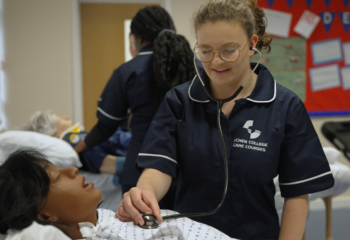
If you are passionate about supporting others and want to pursue a rewarding career in health or social care, the Level 3 Single Certificate in Health and Social Care is the ideal qualification for you. This course will provide you with in-depth knowledge, practical skills, and a strong foundation for further study or work in a variety of healthcare settings. The Level 3 Certificate allows you to explore core principles in health and social care while gaining a deeper understanding of how these apply to real-life scenarios.

This course is perfect for those who want to gain the skills necessary to support people of all ages in a range of healthcare environments, from hospitals to care homes, or community care services.

What You Will Explore

Throughout the Level 3 Certificate in Health and Social Care, you will study a comprehensive range of topics that prepare you for work in the sector. Areas of study include:

  • Health and social care provision – This focuses on the range of services available to meet individuals’ health and wellbeing needs. It covers primary, secondary, and tertiary care, along with social care services such as residential, domiciliary, and respite care. The unit explores public, private, and voluntary sectors, highlighting how services are accessed and barriers individuals may face, including cultural, financial, and geographical factors. It emphasizes the importance of multi-agency working and effective communication to provide holistic, person-centred care, ensuring individuals receive appropriate support tailored to their specific needs and circumstances.
  • Human growth and development – This explores the key stages of human life: infancy, childhood, adolescence, adulthood, and later adulthood. It examines physical, intellectual, emotional, and social (PIES) development at each stage and factors influencing growth, such as genetics, environment, lifestyle, and life events. The unit also highlights how individuals cope with change and how development is shaped by nature and nurture. Understanding these concepts supports care professionals in meeting diverse needs across life stages, promoting wellbeing, and applying person-centred approaches in real-life health and social care settings.
  • Empowerment in health and social care: This explores how individuals are supported to make informed choices and take control of their own lives and care. It covers promoting independence, dignity, respect, and equality, ensuring that care is person-centred. The unit highlights the importance of effective communication, active participation, and advocacy in empowering service users. It also examines how care professionals can challenge discrimination, reduce barriers, and support individuals’ rights. Empowerment leads to improved self-esteem, confidence, and wellbeing, helping individuals to feel valued and involved in decisions about their health and support.
  • Health promotion – This focuses on encouraging individuals and communities to improve and maintain their health and wellbeing. It explores the purpose of health promotion, including raising awareness, preventing illness, and reducing health inequalities. The unit covers methods such as campaigns, education, and support services, and examines the role of professionals in delivering clear, accessible information. It also looks at lifestyle influences on health, like diet, exercise, and smoking, and how promoting positive choices can lead to long-term benefits. Effective health promotion empowers people to make informed decisions and live healthier lives.
  • Anatomy and Physiology in health and social care – This explores the structure and function of the human body and its major systems, including the cardiovascular, respiratory, digestive, nervous, and musculoskeletal systems. It examines how these systems work individually and together to maintain health and support daily functioning. The unit also highlights the effects of ageing, illness, and injury on body systems, and how care professionals use this knowledge to monitor health and provide appropriate support. Understanding anatomy and physiology helps in delivering effective, person-centred care and recognising signs of change or deterioration in an individual’s condition.
Skills You Will Develop

The Level 3 Certificate in Health and Social Care is designed to equip you with both practical and theoretical skills essential for working in health and social care environments. Key skills developed include:

  • Empathy and Compassion: Understand the emotional and physical needs of individuals and develop the ability to offer compassionate and empathetic care.
  • Teamwork and Collaboration: Gain valuable experience working as part of a multidisciplinary team, including healthcare professionals and family members, to deliver person-centred care.
  • Problem-Solving and Critical Thinking: Learn to assess situations and respond to challenges in healthcare settings, finding effective solutions while maintaining a high standard of care.
  • Communication: Master verbal and written communication skills, enabling you to clearly document care plans, interact with patients, and share information effectively with colleagues and families.
  • Professionalism: Develop the professionalism and ethical understanding needed to work in health and social care roles, including respecting confidentiality and adhering to legal and ethical standards.

In addition to specific healthcare knowledge, this course will help you develop transferable skills that are highly valued in the workplace:

  • Time Management and Organisation: Learn how to effectively manage your workload, meet deadlines, and prioritize care tasks in fast-paced environments.
  • Leadership Potential: Gain the confidence and leadership skills to take initiative and manage aspects of care delivery, especially in support or supervisory roles.
  • Cultural Competence: Develop an understanding of working with diverse populations, including people from different cultural, social, and economic backgrounds.

These skills will have a significant real-world impact in the healthcare sector, improving the lives of individuals who need support, enhancing the quality of care provided, and contributing to a more compassionate and effective healthcare system.

Where Can the Level 3 Certificate in Health and Social Care Lead?

Further / Higher Education

After completing the Level 3 Certificate in Health and Social Care, you may choose to:

  • Progress to a Level 4 or 5 Apprenticeship in Health and Social Care: Further your education with a more advanced qualification that provides additional opportunities for specialisation.
  • Pursue University Studies: You could move on to university to study courses such as Nursing, Social Work, Midwifery, Health and Social Care, Public Health, or Physiotherapy.

Career Opportunities

Health and Social Care offers a variety of career pathways, including:

  • Care Assistant (in a care home, hospital, or community setting)
  • Health Care Assistant (supporting patients in healthcare environments)
  • Residential Care Worker (working with individuals in care homes or supported living)
  • Social Care Support Worker (helping individuals with personal care and daily activities)
  • Mental Health Support Worker (providing care for individuals with mental health conditions)

With further training or study, you can progress to more senior roles such as:

  • Nurse (with further study)
  • Social Worker
  • Occupational Therapist
  • Midwife
  • Public Health Practitioner

Where next?

Apply Now
Useful Information

For more information contact:

James Bailey

Position: Director of Curriculum for Science, Social Sciences & Care

Apply for 26/27 now!

Let's Go